
Grain · Sheen · Movement
Architectural Finish Samples & Textures
Architectural finish samples help you compare material character before committing to a wall, floor or exterior system.
Plaster finish types range from polished lime directions to honed grain and more expressive texture. The catalogue also includes microcement and stucco appearances. Names describe material families or effects, not universal performance: marmorino need not be mirror-polished, and travertine-effect plaster is a coating rather than stone slab.
Explore marmorino or microcement colors and textures as distinct starting points. All catalogue imagery is concept visualization; physical samples are needed to confirm a project selection.
Catalogue
 Venetian plaster
Classic Venetian Plaster
Satin · layered clouds · interior
A troweled interior finish with overlapping clouds and a restrained satin glow. Color develops through thin layers, bringing movement to broad walls without a mirror-like reflection.
Interior · Not for wet areas
 Venetian plaster
Grassello / Polished Venetian
Lucido · high sheen · interior
Fine lime plaster worked to a lucid, reflective finish. Compressed layers hold tonal depth, making Grassello a deliberate choice for interiors where light is part of the composition.
Interior · Not for wet areas
 Lime finishes
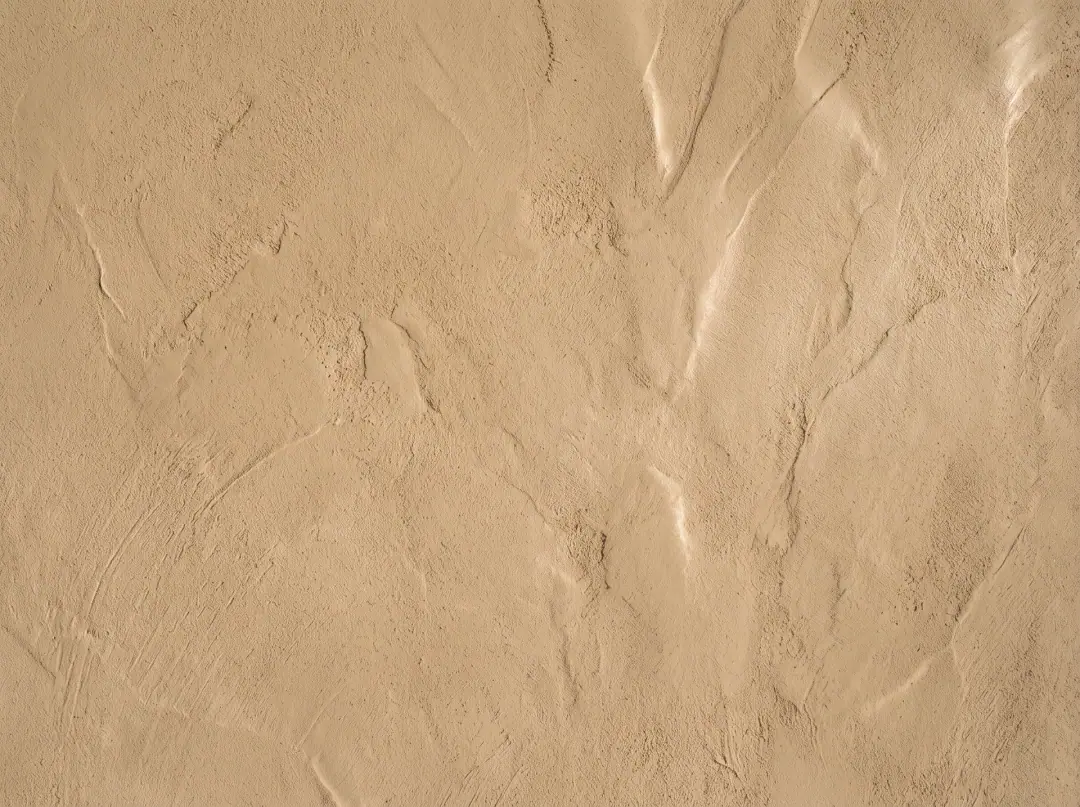
Marmorino
Matte to soft satin · lime and marble · selected exteriors
Lime and marble create a honed-stone character, from quiet matte to soft satin. Marmorino offers mineral grain and gentle movement rather than the sharp reflection of polished Grassello.
Interior · Exterior · Wet areas: system-specific
 Venetian plaster
Travertino
Textured · stone-like strata · selected exteriors
A travertine-effect plaster with porous marks and linear strata. The surface suggests cut stone while remaining a continuous decorative coating, shaped to suit the scale of the wall.
Interior · Exterior · Not for wet areas
 Lime finishes
Tadelakt-Style Polished Lime
Softly polished · rounded movement · system-specific wet use
A polished lime direction inspired by Tadelakt's softly rounded surface. Appearance and wet-area approval are separate decisions; authentic Moroccan methods and modern tadelakt-style systems should not be treated as interchangeable.
Interior · Wet areas: system-specific
 Lime finishes
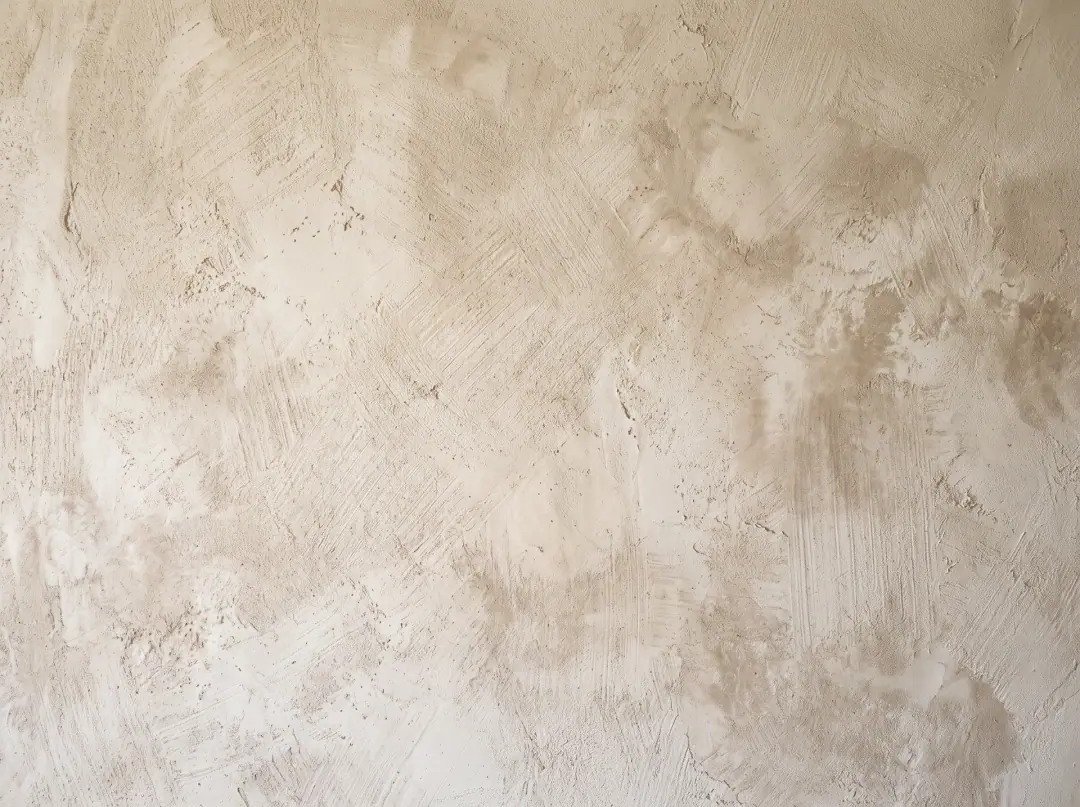
Mineral Limewash
Matte · brushed mottling · selected exteriors
A thin, lime-based paint with brushed variation and a matte surface. Limewash creates mottled color rather than plaster build, making substrate and application pattern central to the result.
Interior · Exterior · Not for wet areas
 Venetian plaster
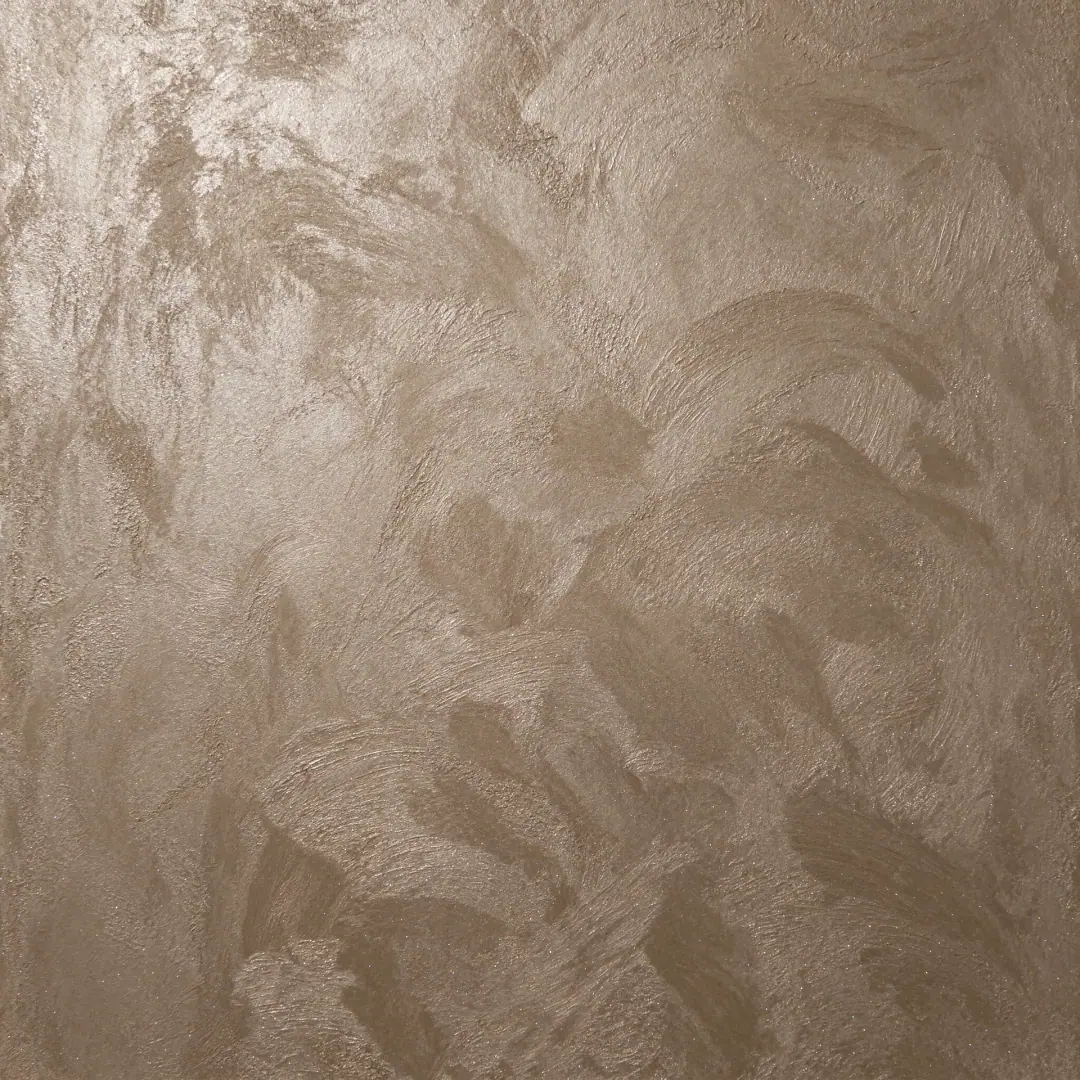
Metallic Plaster
Reflective · mica shimmer · interior
A decorative plaster direction with mica or metallic pigments that catch changing light. Often acrylic or modified, these finishes offer reflective movement rather than the chemistry of traditional lime plaster.
Interior · Not for wet areas
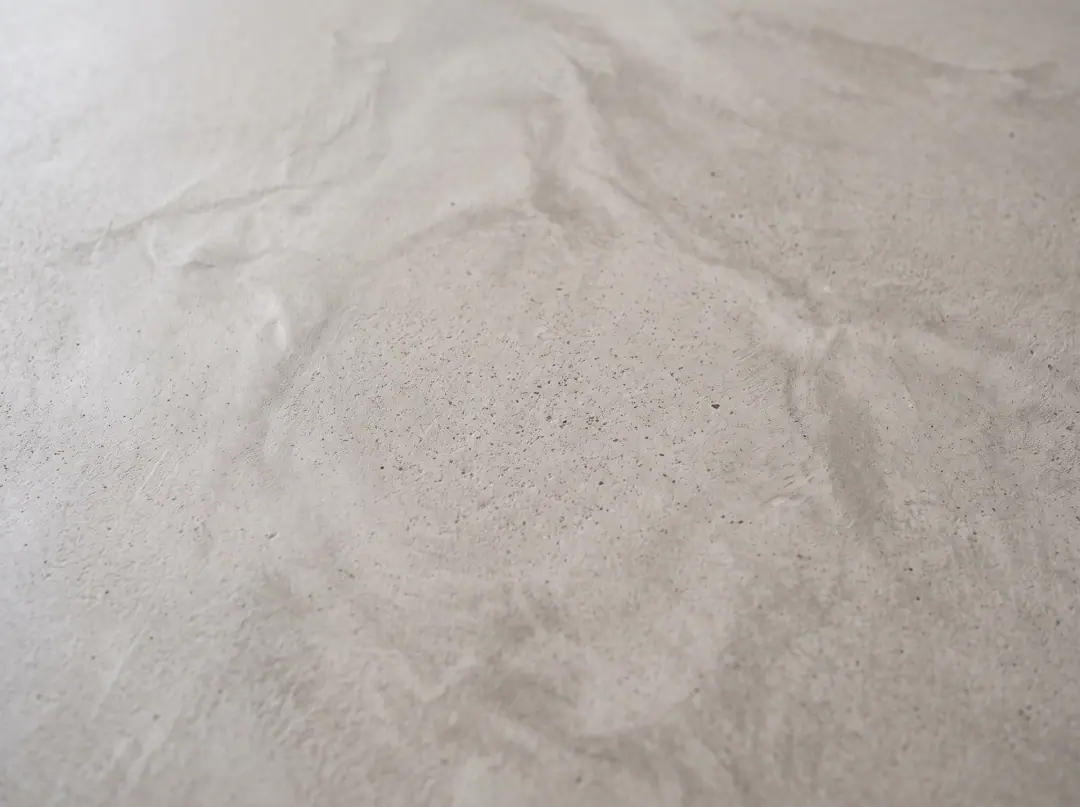 Microcement
Fine to textured · continuous look · approved wet-area systems
A thin cement-and-polymer decorative system with fine or more textured grades. Microcement connects surfaces visually while retaining the need for sound substrates, movement joints and location-specific protection.
Interior · Exterior · Wet areas: with approved waterproofing
 Exterior stucco
Smooth Stucco
Smooth · restrained plane · exterior
An exterior stucco direction with a restrained, nearly unbroken plane. Smooth surfaces sharpen architectural lines but also reveal fine checking, substrate variation and the limits of localized repairs.
Exterior · Not for wet areas
 Exterior stucco
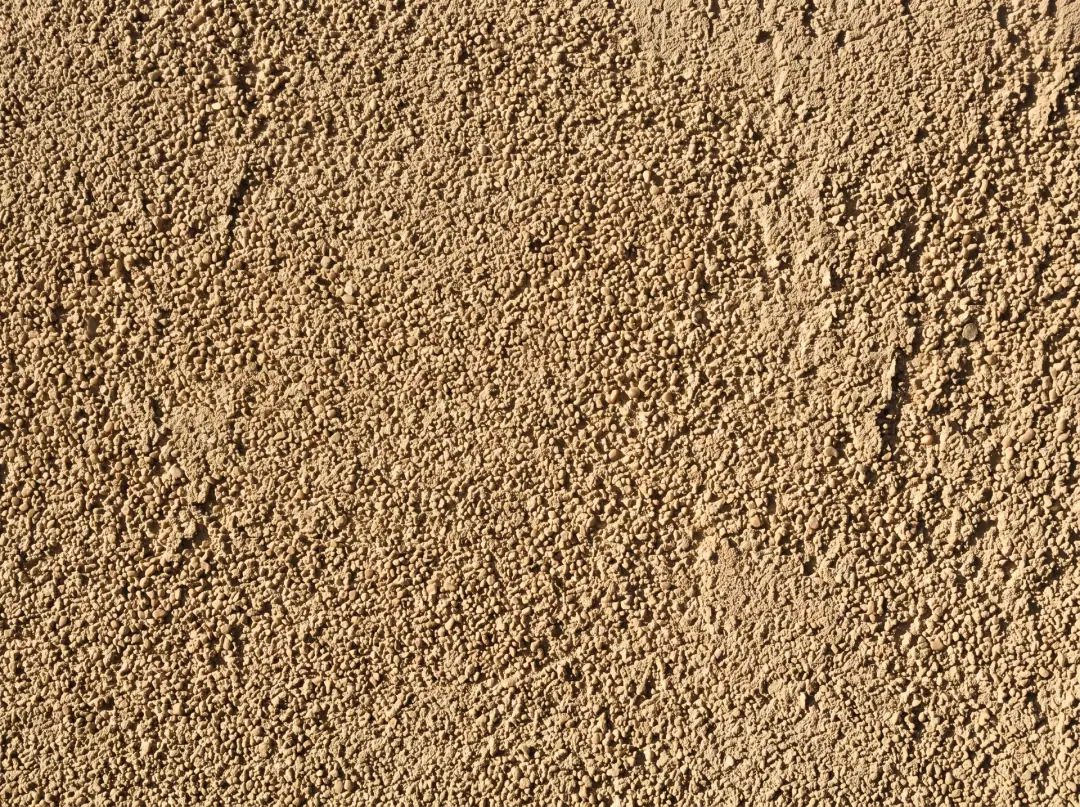
Sand Float Stucco
Granular · even float texture · exterior
A granular exterior finish with a measured sand texture and softer visual transitions. Sand float brings tactile scale to stucco while leaving water management, joints and sound preparation essential.
Exterior · Not for wet areas


Mineral palette
Sixteen starting points
On-screen color is approximate. Every pigment is confirmed on a physical sample, in the finish and sheen you choose, in your own light.
Warm White
#EFE9DD
Ivory
#EAE0CC
Bone
#E0D5C1
Champagne
#DCCBA8
Sand
#D2BE9E
Limestone
#D3CABB
Greige
#BDB3A4
Warm Taupe
#A69482
Stone Gray
#9E9B94
Soft Sage
#A9AF98
Ochre
#C29A5E
Clay
#AD806D
Terracotta
#B0674C
Bronze Mist
#A58D69
Espresso
#4D3D33
Charcoal
#3B3B38
Read the finish in its setting
Start with light. A polished finish reflects it differently from a matte one, while grazing light reveals grain and hand movement. Review the direction beside flooring, upholstery and joinery, then under the room's evening lighting.
Next consider use. Touch, splashes, floor traffic and cleaning can affect the system and protection required. A more textured surface may have different cleaning demands. Ask about maintenance and repair visibility before approval. The visualizer can narrow a color direction, but neither an image nor a material name establishes suitability for a particular exposure.
Move from reference to approval
A physical sample is the bridge between a mineral finish palette and a usable specification. Discuss color direction, grain, sheen and the intended range of movement. Custom matching should be evaluated, not assumed exact.
For larger surfaces or demanding light, consider a site mockup. Review the selected protective treatment on the reference where relevant. Arrange a sample consultation with the room details and adjacent materials so approval addresses how the finish will actually be seen and used.

Consultation
Hold the samples in your own light.
Share a few details and a member of the studio will arrange a conversation, a site visit where appropriate, and physical samples in your own light.
A member of the studio will reply within one business day.